```html
Bitumen Driveway or Concrete? Brisbane Southside Comparison
When it comes time to install or replace your driveway in Brisbane Southside, one of the most significant decisions you'll face is choosing between a bitumen driveway and a concrete surface. Both options have distinct advantages and disadvantages, and the right choice depends on your specific needs, budget, and long-term maintenance preferences. This comprehensive guide will help you understand the key differences between these two popular driveway materials in 2026.
Understanding Bitumen Driveways
A bitumen driveway, also commonly referred to as an asphalt driveway, is constructed from a mixture of aggregates (stones and gravel) bound together with bitumen, a petroleum-based binder. This material has been a popular choice for residential and commercial driveways throughout Brisbane Southside for decades.
Bitumen driveways are created through a heating and compacting process that creates a smooth, dark surface. The material is flexible, which means it can accommodate slight movements in the ground beneath without cracking as easily as more rigid materials. This flexibility is particularly valuable in Brisbane Southside, where soil movement can occur due to moisture changes in clay-based soils.
Advantages of Bitumen Driveways
One of the primary advantages of choosing a bitumen driveway is the lower initial installation cost. In 2026, bitumen driveways typically cost between 40-60% less than concrete alternatives, making them an attractive option for homeowners on a budget. The installation process is also relatively quick, often completed within a few days depending on the size of your driveway.
Bitumen provides excellent traction in wet conditions, which is important for Brisbane Southside residents who experience regular rainfall and occasional heavy storms. The dark surface also absorbs heat, which can help melt ice during rare cold snaps, though this is less of a concern in our subtropical climate.

The flexibility of bitumen makes it forgiving of minor ground movements and settling. If your property experiences subsidence or heave, a bitumen driveway is more likely to accommodate these changes without developing the extensive cracking that concrete might experience. Additionally, bitumen driveways are quieter for vehicle traffic compared to concrete surfaces.
Disadvantages of Bitumen Driveways
The primary drawback of bitumen driveways is their shorter lifespan and higher maintenance requirements. A well-maintained bitumen driveway typically lasts 15-20 years in Brisbane Southside's climate, compared to 25-40 years for concrete. The Australian sun's UV rays and Brisbane Southside's humid subtropical conditions accelerate the degradation of bitumen, causing it to oxidize and become brittle over time.
Regular maintenance is essential for extending the life of your bitumen driveway. This includes sealing every 2-3 years, filling cracks promptly, and addressing potholes as they develop. These ongoing maintenance costs can accumulate significantly over the driveway's lifetime. Additionally, bitumen can soften in extreme heat, potentially showing tire marks or depressions in very hot weather, though this is typically temporary.
Understanding Concrete Driveways
Concrete driveways are constructed from Portland cement, water, and aggregates that are mixed, poured, and allowed to cure into a hard, rigid surface. Concrete has become increasingly popular in Brisbane Southside over recent years as homeowners seek more durable, low-maintenance alternatives to bitumen.
Modern concrete driveways can be finished in various ways, from simple smooth surfaces to decorative options including exposed aggregate, staining, stamping, or scoring. These aesthetic options allow homeowners to customize their driveways to complement their property's appearance.
Advantages of Concrete Driveways
The most significant advantage of concrete driveways is their durability and longevity. A properly installed and maintained concrete driveway can last 25-40 years or longer, significantly outlasting a bitumen driveway. This extended lifespan means fewer replacements over your property's lifetime, making concrete more economical in the long term despite higher initial costs.
Concrete requires minimal maintenance compared to bitumen. You won't need regular sealing or resurfacing. Occasional cleaning and simple repairs are typically all that's needed to keep a concrete driveway looking good. This low-maintenance aspect appeals to many Brisbane Southside homeowners who prefer not to invest ongoing time and money in driveway upkeep.
Concrete is also more environmentally friendly than bitumen, as it doesn't rely on petroleum-based products. Modern concrete can incorporate recycled materials and sustainable production methods. Additionally, concrete's light color reflects heat rather than absorbing it, which can help keep surrounding areas cooler during Brisbane Southside's hot summers.
Disadvantages of Concrete Driveways
The primary disadvantage of concrete driveways is their higher initial installation cost. In 2026, concrete typically costs 40-60% more than bitumen for equivalent coverage. This upfront expense can be prohibitive for budget-conscious homeowners, though the long-term savings often justify the investment.
Concrete is a rigid material that doesn't accommodate ground movement as well as bitumen. In Brisbane Southside, where clay soils can shift with moisture changes, concrete driveways may develop cracks if the underlying ground moves. While these cracks don't necessarily indicate structural failure, they can be cosmetically undesirable and may allow water penetration if not sealed.
Concrete can also become slippery when wet, particularly in shaded areas where algae and moss growth can occur in Brisbane Southside's humid climate. Textured finishes can improve traction, but they also trap dirt and require more frequent cleaning. Additionally, concrete is noisier for vehicle traffic and can be harsh on tires over extended periods.
Climate Considerations for Brisbane Southside
Brisbane Southside's subtropical climate presents specific challenges for both driveway materials. The region experiences hot, humid summers with temperatures regularly exceeding 30°C, significant rainfall, and occasional heavy storms. These conditions affect bitumen and concrete differently.
For bitumen driveways, the intense UV radiation and heat accelerate oxidation and deterioration. Regular sealing is essential in Brisbane Southside to protect against these effects. Concrete, while more durable, can suffer from moisture-related issues in our humid climate, particularly if not properly sealed and if drainage is inadequate around the driveway.
Maintenance Comparison
Understanding the maintenance requirements of each material is crucial for making an informed decision. Bitumen driveways require regular attention including crack filling, pothole repairs, and seal coating every 2-3 years. These tasks prevent water infiltration and extend the driveway's lifespan but represent ongoing expenses and effort.
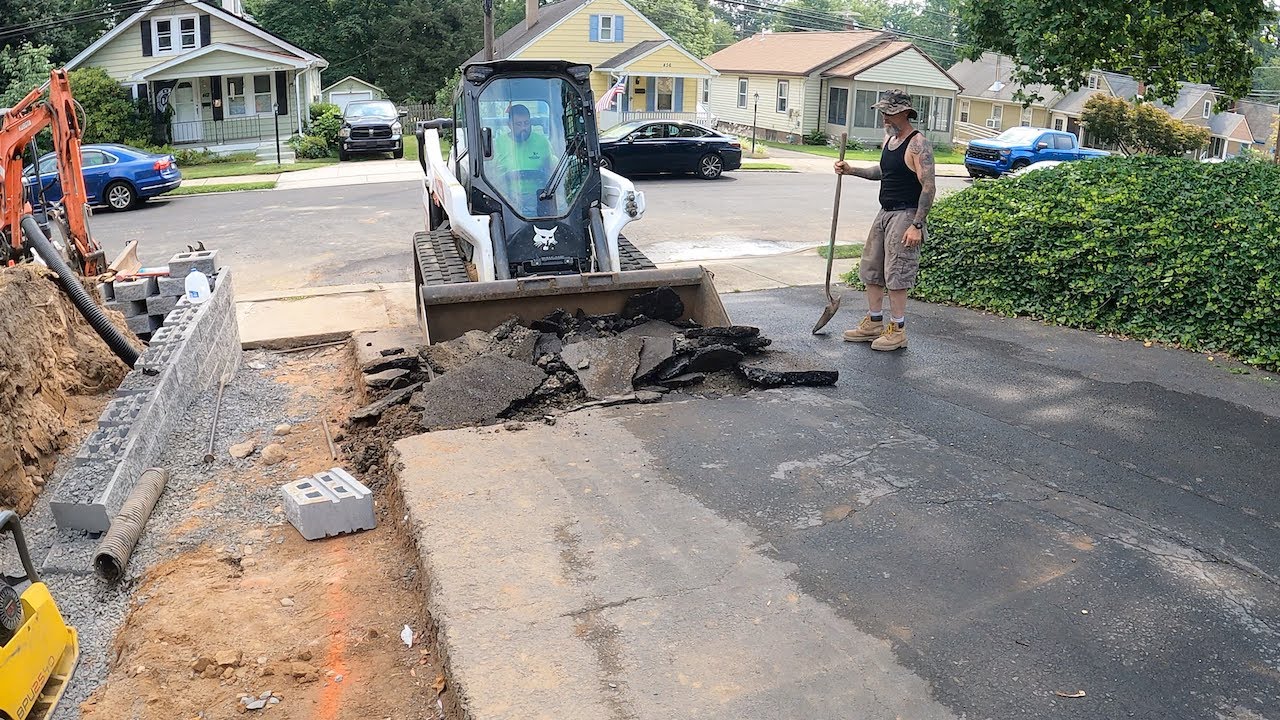
Concrete driveways require minimal routine maintenance. Annual cleaning and occasional sealing (every 3-5 years depending on conditions) are typically sufficient. If cracks develop, they should be sealed to prevent water penetration, but concrete doesn't require the frequent attention that bitumen demands.
Cost Analysis Over Time
While bitumen driveways have lower initial costs, a comprehensive cost analysis over 30-40 years typically favors concrete in Brisbane Southside. Consider that a bitumen driveway requiring replacement every 15-20 years means two or more replacement cycles, plus ongoing maintenance costs. A concrete driveway's longer lifespan and minimal maintenance requirements often result in lower total https://asphaltdrivewaysbrisbanesouthside.com.au/ cost of ownership, despite the higher upfront investment.
Making Your Decision
Choosing between bitumen and concrete depends on several factors specific to your situation. If you're planning to stay in your Brisbane Southside home long-term and prefer minimal maintenance, concrete offers better value despite higher initial costs. If you're budget-conscious and willing to perform regular maintenance, or if you're uncertain about your long-term plans, bitumen may be the more practical choice.
Consider also the condition of your property's drainage, the stability of your soil, and your aesthetic preferences. For bitumen carpark applications in commercial settings, bitumen remains popular due to lower initial costs, though concrete is increasingly chosen for high-traffic areas where durability justifies the investment.
Consulting with local Brisbane Southside driveway specialists can provide valuable insights specific to your property's soil conditions and drainage patterns. Professional assessment ensures your chosen material will perform optimally given your location's unique characteristics.
Conclusion
Both bitumen and concrete driveways have legitimate applications in Brisbane Southside, and the best choice depends on your specific needs, budget, and preferences. Bitumen offers affordability and quick installation but requires regular maintenance and more frequent replacement. Concrete provides superior durability and minimal maintenance but requires higher initial investment. By carefully weighing these factors against your circumstances, you can make an informed decision that will serve your property well for years to come.
```
Asphalt Driveways Brisbane Southside
Unit 5/30 McKechnie Dr, Eight Mile Plains QLD 4113, Australia
ph. (07) 3132 3631